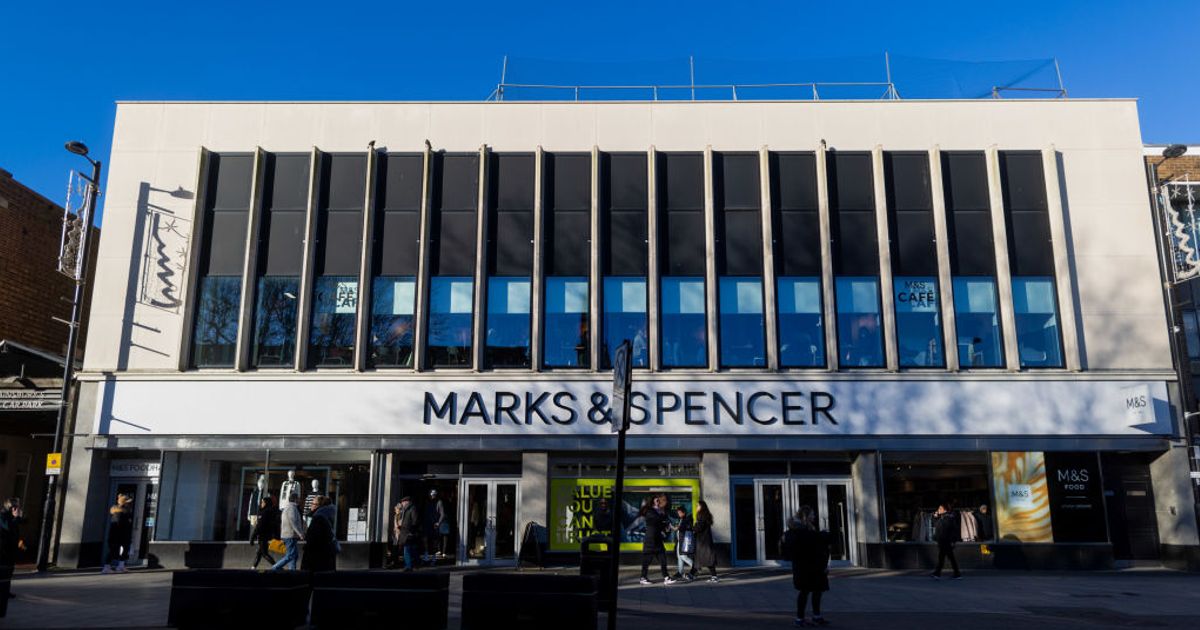
Marks & Spencer (M&S) is embarking on a monumental transformation of its retail footprint, signaling a decisive shift away from large, often m&s underperforming stores towards a more agile, food-focused future. This strategic overhaul involves the closure of 67 full-line stores and the simultaneous opening of 104 new Simply Food outlets, a move designed to adapt to evolving customer shopping habits and secure long-term growth. The plan, which aims to reshape the iconic British retailer by 2028, reflects a clear understanding that the right store in the right location is paramount in today’s competitive retail landscape.
The high street has undergone significant changes over the past decade, driven by the rise of e-commerce, evolving consumer expectations, and macroeconomic pressures. M&S, a beloved institution with a rich history, is not immune to these shifts. Its bold new estate plan is a proactive response, demonstrating a commitment to modernization and relevance, even if it means making tough decisions about long-standing branches.
The Strategic Overhaul: Addressing M&S Underperforming Stores
At the heart of M&S's multi-year strategy is a comprehensive rationalization of its physical estate. The goal is clear: reduce the number of "full-line" stores, which carry clothing, home goods, and food, from approximately 255 today to around 180 by 2028. This reduction of 67 stores is complemented by an ambitious expansion into food retail, with plans to open 104 new Simply Food shops across the UK.
This isn't merely about shutting down branches; it's about optimizing performance and ensuring every store contributes to the overall success of the brand. M&S executives have consistently highlighted that many of the stores slated for closure have been m&s underperforming stores for an extended period, grappling with issues ranging from declining footfall to significant operational challenges and the need for substantial investment. In an era where every square foot of retail space must justify its existence, underperforming assets become a drain on resources and a hindrance to growth.
Richard Owen, M&S regional manager, articulated this sentiment, stating, "Customer shopping habits are changing, and as part of our UK-wide store rotation programme, we’re adapting our store estate to ensure we have the right stores with the right space to deliver an excellent shopping experience." This statement encapsulates the forward-thinking approach: adapting to consumers who increasingly value convenience, specialist offerings, and seamless integration between online and in-store experiences.
Why the Shift to Food-Only Stores?
- Strong Performance: M&S Food has consistently been a strong performer for the company, often outperforming its clothing and home divisions.
- Convenience Focus: Smaller, conveniently located food stores cater to busy lifestyles, offering quick shopping trips for daily essentials and premium ready meals.
- Lower Overhead: Food-only stores generally have lower operational costs and simpler logistics compared to large full-line department stores.
- Urban & Suburban Suitability: These formats are more adaptable to a wider range of locations, from city centres to retail parks and transport hubs.
A Closer Look at the Closures: The Swansea Case Study
The impact of this strategic shift is perhaps best illustrated by specific store closures, such as the long-standing M&S branch in Oxford Street, Swansea. This store, a staple of the south Wales city for decades, recently announced its impending closure, affecting around 92 staff members. The reasons cited by M&S clearly highlight the criteria for identifying m&s underperforming stores within their estate.
Mr. Owen elaborated on the Swansea decision, explaining that the store "has underperformed over a long period" and faced "practical and operational issues requiring significant investment." These factors, combined with changing customer habits, made it unviable to keep the store open, prompting the prioritization of "long-term growth decisions." This case is a prime example of the challenging decisions M&S is making across its portfolio.
The news was met with disappointment from both staff and the local community, as Swansea Council acknowledged. However, M&S has stated its commitment to supporting affected colleagues, including seeking alternative roles in nearby stores, and importantly, remains committed to finding a "suitable location for a future full-line M&S store in Swansea." This indicates that while the current building is deemed unsustainable, the brand still sees value in the city as a retail destination, albeit with a modernized footprint. For a deeper dive into this specific closure, you can read more at M&S Swansea Store Closes: 92 Staff At Risk Amid Underperformance.
The Swansea scenario is not an isolated incident but rather a microcosm of M&S's national strategy. It underscores the challenges posed by legacy properties that no longer align with contemporary retail demands or the company's long-term vision.
Navigating the Legacy Estate Challenge
One of the most significant hurdles M&S has faced is its "legacy estate." Many of its full-line stores are situated in grand, often historic buildings, acquired and maintained over decades. While these locations hold sentimental value and represent the brand's heritage, they frequently come with considerable drawbacks:
- High Maintenance Costs: Older buildings often require extensive upkeep, repairs, and modernization to meet current standards.
- Inefficient Layouts: Designed for a bygone era of shopping, their multi-floor layouts can be difficult to navigate, costly to heat/cool, and challenging to adapt for modern retail concepts or omnichannel fulfillment.
- Location Obsolescence: Some locations, once prime, may no longer attract the same footfall due to shifting urban dynamics, out-of-town retail parks, or changes in public transport routes.
- Operational Inflexibility: Adapting these large stores for diverse product ranges, click-and-collect services, or even efficient food departments can be logistically complex and expensive.
M&S's long-term estate strategy has been developed through rigorous "stress tests, regional modelling, and efficiency requirements." This data-driven approach allows the retailer to identify which stores are truly m&s underperforming stores and which have the potential to thrive with the right investment and modernization. The emphasis is on creating a network of "prime and core retail markets" that can offer a "brilliant omni-channel experience."
The belief that "stores can be a true source of competitive advantage" remains strong within M&S, but with the crucial caveat that "they need to be the right stores, in the right location." This philosophy underpins the entire transformation, acknowledging that physical presence is vital, but its form and function must evolve. For more context on the broader reasons behind these strategic decisions, explore Why M&S Is Closing Stores: Legacy Estate & Retail Strategy Shift.
The Future of M&S Retail: More Food, Smarter Locations
Looking ahead, the M&S retail landscape will be characterized by a greater emphasis on its successful food division. The planned opening of 104 new Simply Food shops underscores a strategic decision to play to its strengths. These smaller, more agile stores offer greater flexibility in location, lower operating costs, and cater directly to the growing demand for convenient, high-quality groceries and ready meals.
For customers, this means a more tailored and accessible M&S experience. While some may mourn the loss of a local full-line store, the promise of more food-only outlets, potentially closer to where they live or work, offers a new kind of convenience. The integrated omnichannel approach means that even with fewer large stores, customers can still access M&S's full clothing and home range online, with various options for delivery and collection.
Key Takeaways for Retailers and Consumers:
- Adaptability is Key: Retailers must continuously evaluate their physical footprint against changing consumer behaviors and technological advancements.
- Focus on Strengths: Doubling down on successful divisions (like M&S Food) can provide a stable foundation for growth and offset weaker areas.
- Omnichannel Integration: The future of retail lies in a seamless blend of online and offline, where physical stores complement digital offerings rather than compete with them.
- Data-Driven Decisions: Using stress tests and regional modelling to identify underperforming assets and potential growth areas is crucial for sustainable estate management.
- Community Engagement: Even when closing stores, transparent communication and support for staff and local communities can mitigate negative impacts and maintain brand loyalty.
Conclusion
The M&S estate plan, involving the closure of 67 full-line stores and the opening of 104 new food shops, is more than just a reduction in physical presence; it's a strategic reinvention. By actively addressing its m&s underperforming stores and investing heavily in its successful food division and modern retail formats, M&S is positioning itself for long-term resilience and growth. This transformation reflects a pragmatic understanding of the modern retail landscape, where efficiency, customer-centricity, and adaptability are paramount. As M&S continues to evolve, its commitment to providing quality products and an excellent shopping experience, both online and in its new-look physical stores, remains at the forefront of its iconic brand identity.